Azelaic acid for rosacea: the evidence
Why azelaic acid is the rare active most rosacea-prone skin tolerates - and how to use it.
Editorial Team · June 25, 2026 · 9 min read
On this page
What is azelaic acid?
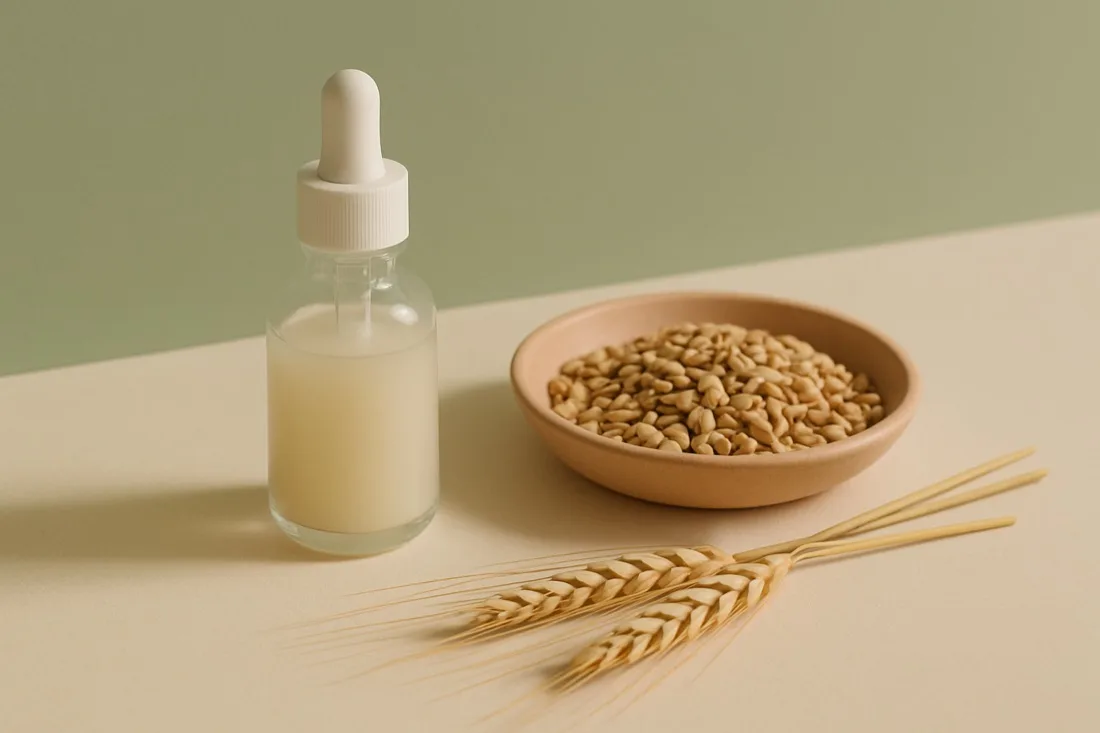
Azelaic acid is a naturally occurring dicarboxylic acid - your skin makes small amounts of it, and it is also found in grains like wheat and barley. In skincare it is one of the few actives that rosacea-prone skin usually tolerates, which is why it appears in so many rosacea routines. It comes in a low-strength over-the-counter form and a higher-strength prescription form.
How does azelaic acid work for rosacea?
Its exact mechanism in rosacea is not fully established, but azelaic acid is thought to calm inflammation in a few ways: it scavenges the reactive oxygen species (free radicals) that inflamed skin produces, dampens the activity of inflammatory cells, and helps normalise the way the skin cells lining the follicle grow. The practical result is fewer inflammatory bumps and pustules, and less of the redness immediately around them.
What it does not do is treat background flushing or visible blood vessels - those need different tools, such as prescription brimonidine or oxymetazoline, or in-office laser and light. Brimonidine can cause rebound redness worse than baseline in some users, so discuss it with your clinician.
How well does it work?
Azelaic acid is one of the better-evidenced rosacea topicals. A Cochrane review rated the evidence behind it as high quality: compared with placebo, people were about 46% more likely to rate their rosacea improved. In the trials behind the prescription 15% gel, roughly 6 in 10 users reached clear, minimal, or mild rosacea by 12 weeks, with inflammatory lesions cut by about half.
OTC 10% vs prescription 15% - what is the difference?
The strength and the legal status both differ. Over-the-counter azelaic is usually around 10% and sold as a cosmetic, not as an FDA-approved rosacea medicine. The 15% gel and foam (Finacea) are prescription-only and FDA-approved specifically for the inflammatory papules and pustules of mild-to-moderate rosacea. (A separate 20% cream, Azelex, is FDA-approved for acne and used off-label.)
| OTC ~10% | Prescription 15% (Finacea) | |
|---|---|---|
| Status | Cosmetic product | FDA-approved rosacea drug |
| Approved for | Not a rosacea drug | Papules and pustules of mild-to-moderate rosacea |
| Access | No prescription needed | Requires a prescriber |
| Strength | About 10% | 15% gel or foam |
If a 10% product is helping and well tolerated, that may be all you need. If bumps persist, it is worth asking a clinician about the prescription strength.
How to use it
- Start with a 10% OTC formula (or 15% prescription, e.g. Finacea) every other morning.
- Build to once or twice daily over two weeks as tolerance allows.
- Pair it with a ceramide moisturiser and a mineral SPF.
- Avoid layering it with benzoyl peroxide, which is usually too irritating for reactive skin.
- Give it 8–12 weeks for the full effect - rosacea actives are slow but steady.
What are the side effects?
The common side effects are local and usually mild: burning, stinging, or tingling (reported by about 29% of users in trials), itching (about 11%), and some dryness or scaling. They tend to appear in the first few weeks and ease as your skin adjusts; starting slowly makes them easier to ride out. Sharp, lasting burning is a stop signal - scale back and check with a clinician.
Can you use azelaic acid in pregnancy?
Azelaic acid is only minimally absorbed through the skin, and it carried the former FDA Pregnancy Category B rating, so it is often considered one of the more pregnancy-compatible topical options for rosacea. That is not a green light on its own - always confirm any use during pregnancy or breastfeeding with your own prescriber first.
Last reviewed June 25, 2026
Azelaic acid sits on the lower rungs of the treatment ladder - a gentle, evidence-backed first active. See the ladder →Related on RosaceaClub
Frequently asked questions
How long does azelaic acid take to work on rosacea?
Give it 8–12 weeks of consistent use before judging the result. Rosacea actives are slow but steady - most people who quit early quit too soon.
What is the difference between 10% OTC and 15% prescription azelaic acid?
10% formulas are available over the counter and are a sensible starting point. The 15% gel (Finacea) is prescription-only and FDA-approved for the inflammatory papules and pustules of mild-to-moderate rosacea.
Is tingling normal when starting azelaic acid?
Mild tingling, itching, or warmth during the first weeks is common and usually settles as your skin adjusts. Starting every other day and building up slowly makes it easier. Sharp, lasting burning is a stop signal.
Does azelaic acid help with redness?
It reduces the redness immediately around active bumps. It does not treat background flushing or visible blood vessels - those need different approaches.
Can I combine azelaic acid with other actives?
Pair it with a ceramide moisturiser and mineral SPF. Avoid layering it with benzoyl peroxide, which is usually too irritating for rosacea-prone skin.
Keep reading

Get the one-page cheatsheet
AM/PM routine, the ingredient avoid-list, and product picks per subtype - emailed to you.
- No spam, unsubscribe anytime
- We never sell email lists